
After my divorce, Thanksgiving became Friendsgiving. Christmas cookie-making day became something I did with a girlfriend or two, and I gave the extra cookies to friends. Those familiar occasions took a different shape, with different people sharing them.
That helped with the loneliness, but it did not make it disappear overnight. Even now, with new friends and family in my life, I still miss some of the people and traditions that used to be there. I am grateful for the life I have, and I miss parts of the life I had. Both are true.
Creating new traditions after divorce can hold all of that. You do not have to erase a good memory to make room for another one, or stop missing someone before accepting an invitation. Start with one familiar occasion and consider what you want to keep, what needs to change, and what you would rather leave alone this year.
Can I keep old traditions after divorce?
A tradition can still belong in your life even if it began during your marriage. You might love a particular recipe, a holiday movie, or the way you spend the morning before a celebration. Keeping it does not require recreating the whole day or pretending nothing has changed. You get to decide which parts still feel meaningful to you.
It helps to separate the activity from everything that used to surround it. Perhaps you enjoy baking but no longer want to make enough for a large gathering. Maybe the decorations still make you smile, while the old hosting routine feels exhausting. Naming those differences gives you more choices than keeping everything exactly the same or abandoning it all.
Think about one tradition and ask what you actually value in it. Is it the food, the company, the generosity, the familiarity, or simply having something to look forward to? Your answer can guide a smaller version that fits your current home, budget, and energy.
How can I adapt a tradition instead of replacing it?
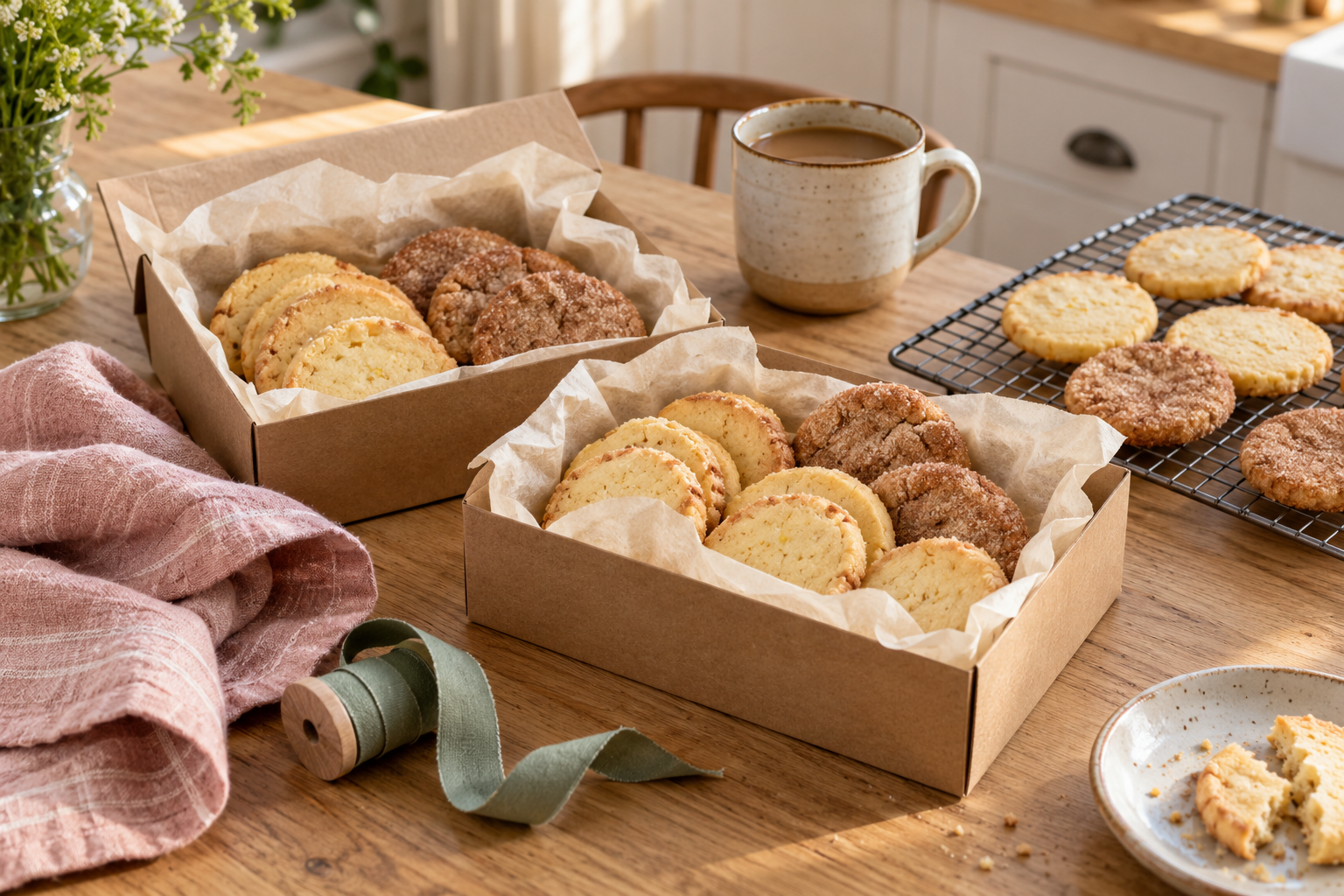
My Christmas cookie-making day is one example. I continued making cookies, but I did it with a girlfriend or two and shared the excess with friends. The baking remained part of the season even though the people and plans around it changed. You may have something similar that could continue with a few adjustments.
A favorite meal could become a potluck with two friends instead of a dinner you prepare alone. A holiday outing might move to an afternoon that works better for everyone. If the full version costs too much or takes more energy than you have, choose the part you enjoy most. One batch of cookies can be enough.
You also do not have to announce that this is your new annual tradition. Try it once and notice how it feels. Something can be worthwhile this year without becoming another obligation next year, and a plan that needs adjusting has still taught you something useful.
What if I feel like I am imposing on someone else’s holiday?
I struggled with that feeling when I was invited to holiday events with people who were not my family. I had to work at not just being alone. What mattered was remembering that family can be the people we choose, and these people had chosen to invite me. Accepting those invitations helped with the loneliness.
If that hesitation sounds familiar, try taking a genuine invitation at face value rather than answering on the other person’s behalf. You can ask what time to arrive or whether there is something useful to bring. Those practical questions help you understand the plan without needing to repeatedly check whether you are wanted.
An invitation also leaves room for your preferences. You might enjoy joining for dessert rather than staying all day, or feel more comfortable knowing when you plan to head home. If you want to build more connection beyond the holidays, my thoughts on making friends after divorce offer a place to begin. New friendships deserve time to grow without being asked to fill every space an old relationship left.
How can I make holiday evenings feel more comfortable?
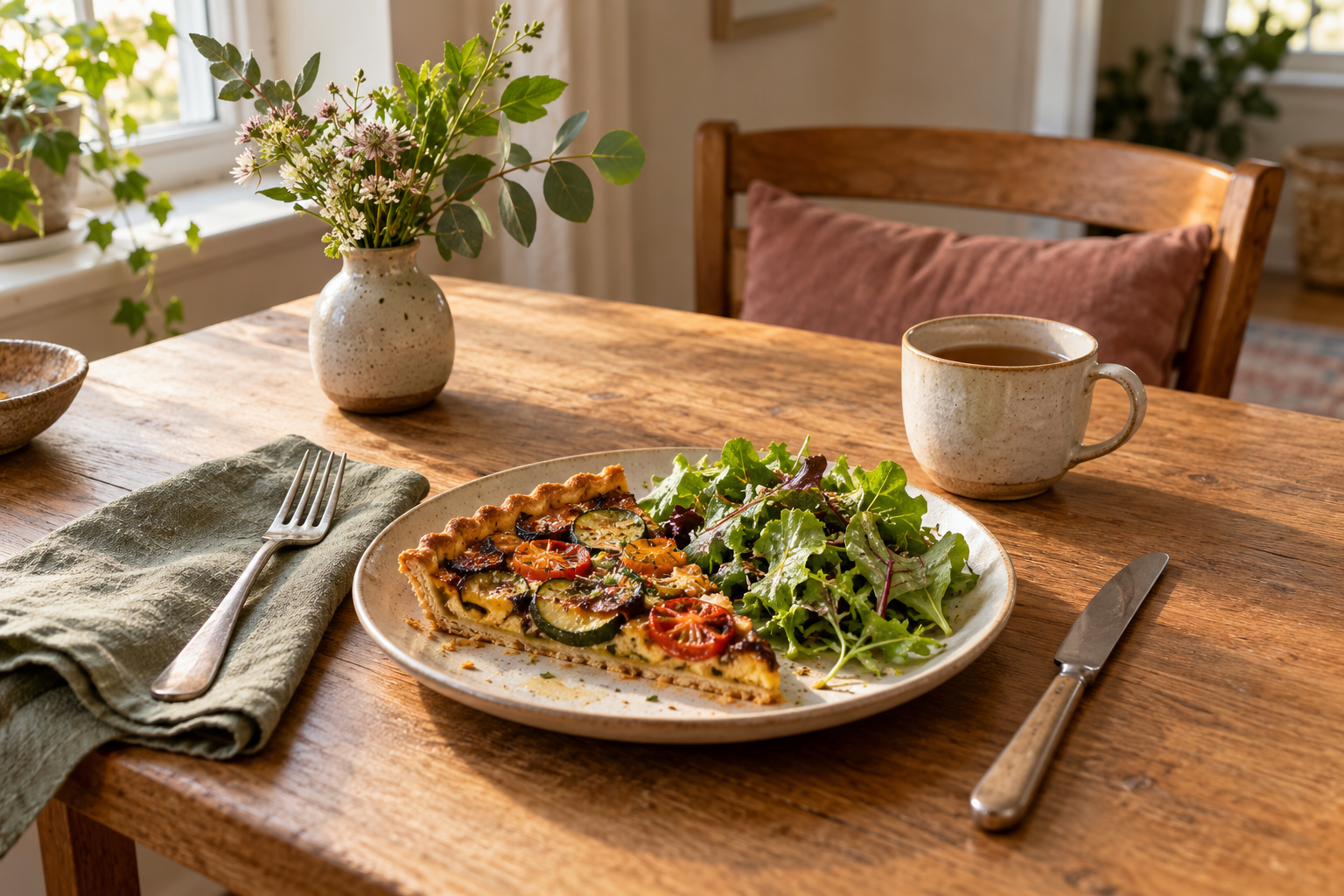
The holiday nights themselves were hard for me. I would treat myself to some of my favorite things: my favorite music and movies, and a nice dinner that I made pretty for myself. Depending on the occasion, there might be a glass of wine or champagne. These were things I enjoyed, not a way to make all the difficult feelings disappear.
Your version can be simple and entirely your own. Choose a movie you already like, something good to eat, and a comfortable place to settle in. A favorite mug of tea or a familiar playlist might be enough to make the evening feel more considered. There is no need to buy decorations or prepare an elaborate meal to make a plan for yourself.
If you want company, include that in the plan too. Ask a friend whether they would like a short call, or arrange to exchange messages when you are both free. I have written about being alone after divorce without feeling so lonely, because enjoying your own company and wanting connection can sit alongside each other. You do not have to choose one permanently.
Can I love my new life and still miss the old traditions?
I still miss the old people and traditions that were part of my life. Having new friends and family has not erased that, and gratitude for my current life does not make those memories less important. I want to say that clearly, because an encouraging story about starting over can sometimes sound as though everything painful eventually gets replaced.
A good afternoon can be followed by a difficult evening. You might enjoy a new gathering and later remember someone who used to be there. The NHS guidance on grief and loss includes the end of a relationship among experiences that can bring grief, and notes that feelings may arise unexpectedly. You do not need to turn a sad moment into a verdict on your whole life.
Let a memory be specific if that helps. You can miss a person’s laugh, a familiar conversation, or the feeling of knowing exactly how a holiday would unfold. That does not require you to make the old life entirely good or the new life disappointing. There is room for an honest account of both.
What if I want to pause a tradition this year?
Some traditions may feel like too much right now, even if you hope to return to them. Putting away the decorations for a season or skipping a particular event can be a temporary choice. You do not have to decide the future of every holiday while you are still working out what this one needs.
If other people share the tradition, talk about the specific part you want to change. Children, relatives, or friends may care most about a detail you had not considered. Look for a manageable version together where that makes sense, while being honest about what you can offer. A different day or a shorter visit may work better than a plan everyone feels pressured to maintain.
Where do I begin with new traditions after divorce?
Choose one occasion rather than redesigning the entire season. Write down one part you want to keep, one part you would like to change, and anything you want to pause. Then make the next step concrete: invite a friend to bake, accept an invitation you genuinely want, or choose the dinner and movie for an evening at home.
Afterward, notice what you would repeat and what you would change. Leave room for the fact that you may have enjoyed yourself and still felt sad. My new traditions have brought connection into my life, and I still miss some of the old ones. For this year, choose one plan that feels kind and realistic for you, without asking it to settle every feeling about the past.